The Final Convergence exists to help believers test what they hear against Scripture, one blog post, one book, one study at a time. The blog is always free. My books are available for purchase, and if the cost is ever a barrier, just reach out, no one should go without because they can’t pay.
If you want to order in bulk for your book club, book store, organization or congregation, please contact me.
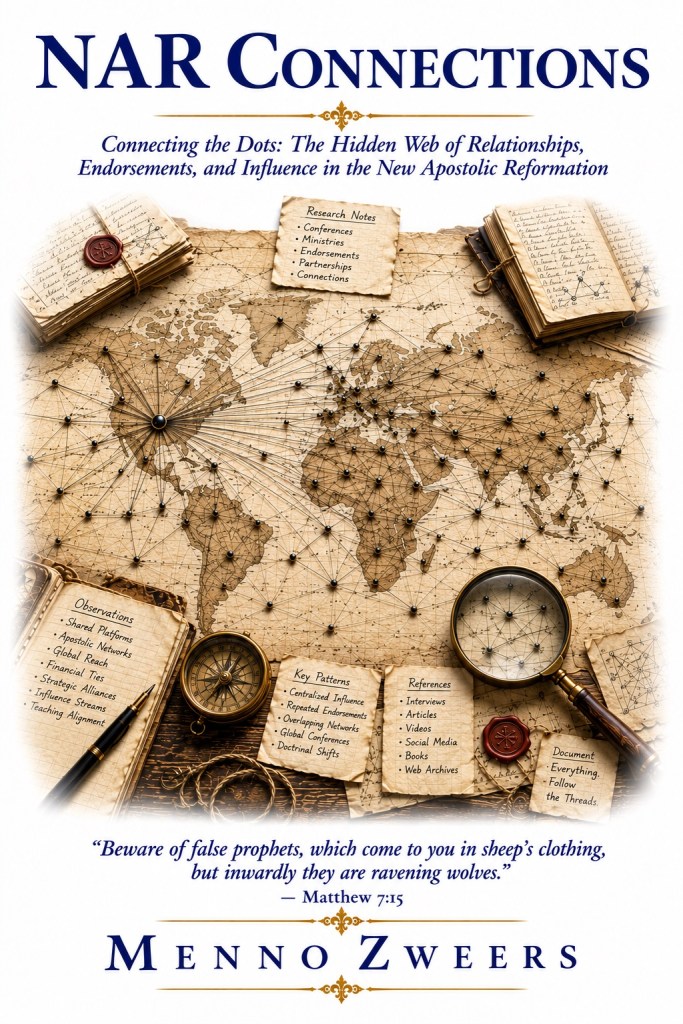
Who is influencing the modern church, and what happens when the lines between biblical Christianity and the New Apostolic Reformation begin to blur? NAR Connections answers these questions by tracing the relationships, endorsements, alliances, and institutions through which this movement has extended its influence across denominations and nations. From the historical roots of the modern apostolic and prophetic movement to its prominent leaders, ministry networks, conference platforms, Christian organizations, and worship music, this book connects the dots that are too often examined in isolation. It documents public relationships and statements, investigates the doctrines shaping the movement, and challenges readers to look beyond reputations, titles, and claims of supernatural authority. This is not about speculation or guilt by association, but about examining the evidence and testing every teaching against the written Word of God. In an age when influence can cross church boundaries without congregations ever recognizing its source, discernment begins with knowing who is leading you, and whether they are faithful to Scripture.
Every English Bible claims to communicate the Word of God. But do they all rest on the same textual foundation, and do the differences between them matter? Which Bible Can You Trust? investigates the manuscript traditions behind modern English translations, tracing the history of the Byzantine Majority Text and the Alexandrian text, examining the decisions that shaped the Bibles Christians read today, and documenting significant differences in the passages they preserve. From the Tyndale-Geneva-King James lineage to modern critical-text translations, this book examines the manuscripts, the scholars, the publishers, and the theological and commercial influences behind the modern Bible landscape. It also investigates five widely known works, the Mirror Bible, Dake’s Annotated Reference Bible, The Message, The Passion Translation, and the New World Translation, highlighting their distinctive textual or theological concerns. This is not a question of condemning sincere believers for the translation they read, nor of declaring that salvation depends on one English edition. It is a call to examine the evidence, understand what has shaped the text, and take seriously the responsibility of testing every claim against Scripture. The canon tells us which books. This volume asks which words, and why they matter. Sola Scriptura begins with having the Scripture.
The question seems simple until someone actually asks it. Why these sixty-six books? Why not the Gospel of Thomas, the Apocrypha, or the ongoing revelations of living apostles and prophets? Who decided, and can that decision be trusted? Canon and Covenant answers those questions historically, theologically, and with the urgency of a generation that is watching the authority of Scripture dismantled from every direction at once. From the Jewish scribal traditions that preserved the Old Testament to the early churches that recognized the New, from the councils that confirmed what the faithful had always known to the movements of our own day that are quietly reopening what God has sealed, this book traces the full story of how we got the Bible we hold, and why it is exactly enough.

For five centuries, the word biblicist has been used as a theological slur, a way of dismissing men and women who take one conviction too seriously. That conviction is this: the Word of God alone is the supreme and final authority over the church, over its traditions, and over every confessional document ever written by man. This book is the account of where that conviction came from, why the Reformers died for it, why their heirs have quietly abandoned it, and why it remains the only foundation the church can safely build on. Luther stood on it at Worms. Tyndale died for it on a stake. The Bereans were called noble for practicing it. And every believer who has ever read their Bible honestly and been told by an institution that they needed permission to believe what it plainly said this book is for them.

Forty years inside the New Apostolic Reformation. Churches in the Netherlands, Minneapolis, and Nashville. A network of apostolic authority that spanned three continents and answered to the same names at every stop. And through all of it, a Bible that was never quite enough on its own, always requiring a prophet, an apostle, a fresh word, a new revelation to complete it. This book is the account of how that framework collapsed, what replaced it, and why Menno Zweers now believes that the sixty-six books of the Holy Scripture are the final, sufficient, and supreme authority for faith and practice, and that they always were.
The greatest threat to the Gospel is not rejection, it is substitution. Millions sit in churches every week hearing something about Jesus but never actually hearing His Gospel. In The Simplicity of the Gospel, Menno Zweers delivers a bold, Scripture-only verdict on what the true Gospel is, what it is not, and exposes the counterfeit gospels of Rome, the Charismatic movement, the New Apostolic Reformation, legalism, and the prosperity gospel. This is not a comfortable book. It is a trumpet.
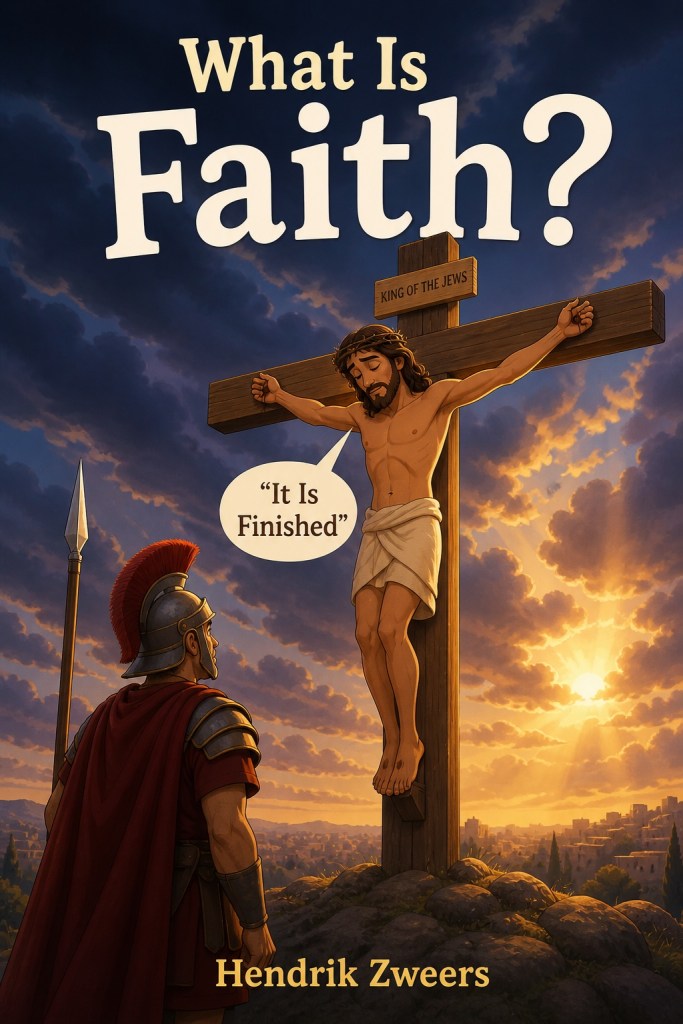
Faith is not just a word you hear at church. It is trusting God with your whole life, every day, in the good times and the hard times. What Is Faith? is a Sola Scriptura children’s book written entirely by seven-year-old Hendrik Zweers, son of Menno Zweers, simple enough for kids, solid enough for eternity.
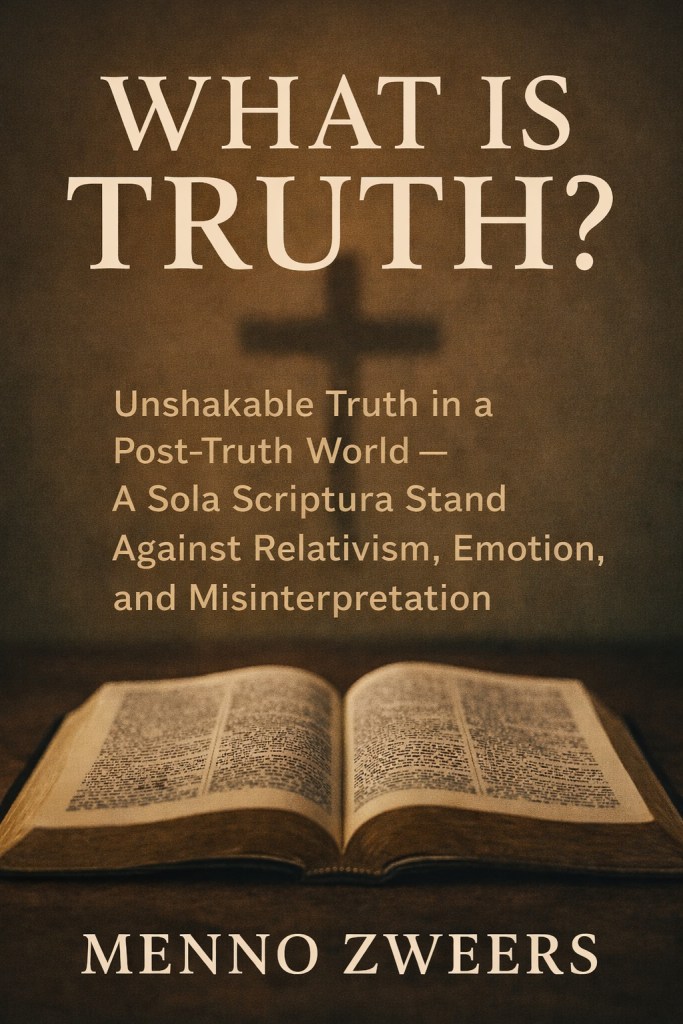
The church is not losing the battle for truth because the world is too loud. It is losing because the church stopped speaking. What Is Truth? is a prophetic, urgent call back to the Word of God alone.