
Published: September 13, 2026 | thefinalconvergence.com
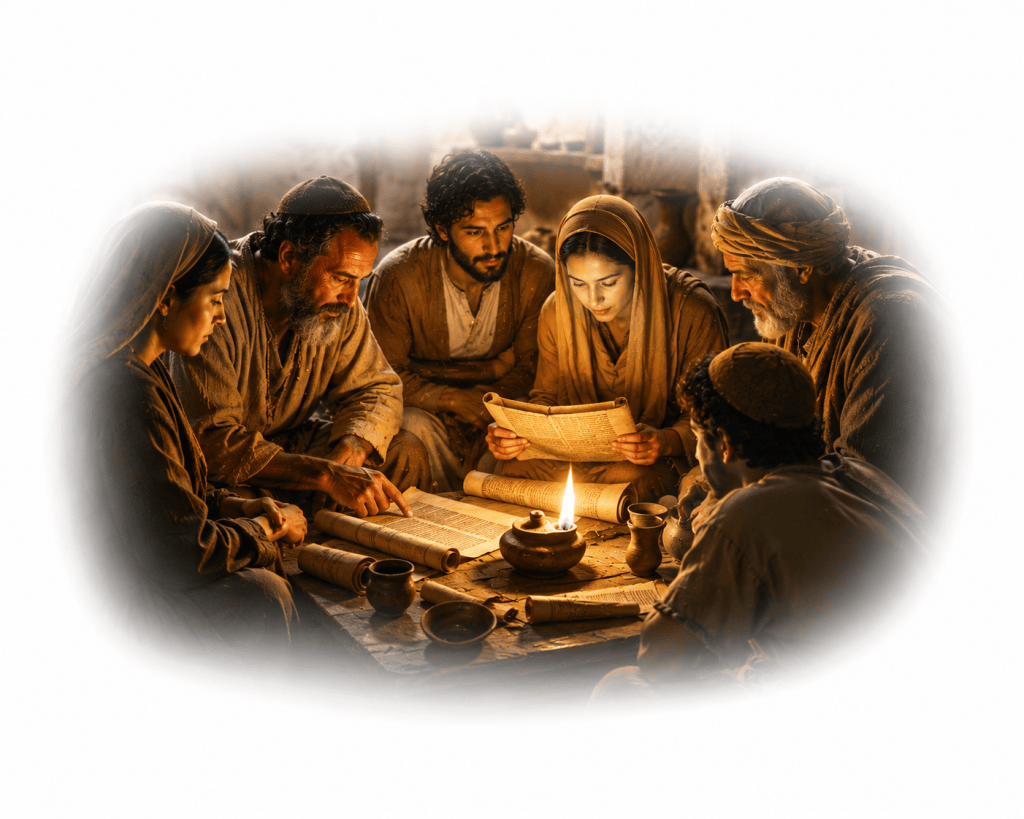
We are near the end of this series, and it is time for the call to become explicit. Everything the last twenty-six days have built, the canon recognized, defended, closed, sufficient, and worth standing on, comes down to a summons. Not a summons to a movement, a platform, or an institution. A summons to become a particular kind of Christian: a Berean.
“These were more noble than those in Thessalonica, in that they received the word with all readiness of mind, and searched the scriptures daily, whether those things were so” (Acts 17:11).
Notice the two things Luke commends, because together they are the whole posture of the remnant. The Bereans received the word with all readiness of mind, they were not cynical, closed, or hostile; they were genuinely open to the truth being preached. And they searched the scriptures daily to test what they heard, they did not accept even the apostle Paul on the strength of his personal authority. Open, and anchored. Hungry for truth, and unwilling to accept anything untested against the Word. That is the call. And it is a call not merely to stand on the Word, but to search it.
The Remnant Is Called to Search
The previous days described the remnant that stands. Today adds the verb that makes standing possible: search.
The Bereans were not commended for passivity. They were commended for diligence, for going home after hearing the greatest apostle who ever lived and opening the Scriptures to see whether what he said was actually there. This is the opposite of the itching-ears crowd who heap to themselves teachers. The Berean does not ask who is impressive? or who is anointed? or who has the biggest platform? The Berean asks one question: is it so? Is it in the text? And then goes to the text to find out.
This is why the remnant cannot be a passive company. A believer who merely admires the Bible from a distance, who trusts it in the abstract but never actually searches it, is defenseless in the day of deception — because false teaching is defeated not by good intentions but by knowledge of the Word. The remnant that will stand is the remnant that searches. It reads systematically, studies carefully, memorizes deeply, and tests everything, exactly as we saw on Day 25. Standing and searching are not two callings. They are one. You stand because you have searched, and you keep searching so that you can keep standing.
And there is a promise attached. Jesus prayed for His people: sanctify them through thy truth: thy word is truth (John 17:17). The searching is not a dry academic exercise. It is the means by which God sets His people apart and makes them holy. The Word you search searches you. The truth you test transforms you. The Berean does not merely gain information, the Berean is sanctified.
What This Book Set Out to Do
This series was built on a single question, and it has answered it: which books belong in the Bible? Sixty-six. Recognized, not created. Confirmed by Christ. Closed by God. Sufficient for every good work. Defended against every counterfeit, ancient and modern, that has ever gathered around it. The canon is settled. The foundation has been laid.
That argument, we trust, has been made. And if you have followed it this far, through the councils and the criteria, the Apocrypha and the Gnostic gospels, the Constantine myth and the NAR, the sufficiency of Scripture and the cost of standing on it, then you have already demonstrated exactly the Berean character this whole series has been calling for. You did not take the canon on someone’s word. You searched out how it came to be. That is precisely the diligence the next question requires.
Because closing one question opens another. And this second question is, if anything, more immediately practical than the first.
The Question That Comes Next
Once you know which books belong in your Bible, a quieter but equally urgent question follows: which words?
Not which books. Which words. Within those books. On the page in front of you, in the translation you read every morning, in the version your pastor preaches from and your children are memorizing.
Here is something most Christians have never been told. The English Bible you hold is not simply the Bible, it is a translation of a particular collection of ancient manuscripts. And depending on which Bible you are reading, that collection may differ significantly from the one the Reformers translated from, the one your grandparents grew up on, or the one that carried the gospel to the nations. Different manuscripts. Different underlying texts. Different editorial decisions, made by different people, with different convictions about whether the Bible is even the Word of God at all.
When did the manuscript tradition shift, and why? Who decided to set aside the received text the church had used for over a thousand years in favor of a small cluster of documents recovered in the nineteenth century? What did the scholars who built the modern critical text actually believe about Scripture, about its inspiration, its authority, its inerrancy? And what happens on the page: when a verse that appears in one translation simply does not exist in another, or a phrase that anchors a doctrine quietly disappears between editions, or whole sentences drop to a footnote marked not in the earliest manuscripts?
These are exactly the questions a Berean is bound to ask. Having searched out which books, the honest reader cannot help but ask which words, and how we can know.
The Next Volume
Those questions are not the questions of this book. This book set out to answer the canon question, and it has. The text question deserves its own careful, thorough, evidence-driven treatment, more room than the closing days of one series can give it.
So today the series announces what comes next: a dedicated volume that takes up the question of the text, Which Bible Can You Trust? It will follow the evidence, honestly and without denominational combat, into the manuscripts behind the translations, the history of how the modern texts were assembled, the men who assembled them and what they believed, and the real differences between the Bibles in circulation today. Some of what it uncovers is sobering, there are Bibles in wide use now that have crossed the line from translation into something else entirely. But the goal is not fear. The goal is the same Berean confidence this series has aimed at from the start: to know, not merely to assume; to search, not merely to trust blindly; and to hold the pure Word with open eyes.
The canon tells us which books. The next volume asks which words. And the believer who has searched out the first question with readiness of mind is exactly the one prepared to search out the second.
Tomorrow, the bridge itself: from the right books to the right words.
“They received the word with all readiness of mind, and searched the scriptures daily, whether those things were so.” — Acts 17:11 KJV
📖 This post is adapted from Canon and Covenant: How God Preserved His Word Through History. If it helped you, the full book is available on Amazon — or you can support this ministry directly.
thefinalconvergence.com | Follow on Instagram, Facebook, X, and YouTube
If you like to be updated on new blogs, sign up to our newsletter!


Leave a comment